Home / Articles
What’s Causing Your Morning Stiffness? Early Signs of Joint Degeneration
Home / Articles
What’s Causing Your Morning Stiffness? Early Signs of Joint Degeneration
Most people brush it off.
That quiet change is not something to ignore. In fact, it’s often the body’s earliest and most honest signal that joint health is beginning to decline.
Healthy joints are designed to tolerate rest and resume movement smoothly. When joint structures are intact, a full night of sleep doesn’t result in noticeable stiffness.
But when early degeneration begins, the hours of stillness during sleep expose what daytime movement temporarily masks.
While you sleep:
Circulation around the joint slows
Synovial (joint) fluid becomes less evenly distributed
Muscles relax and shorten slightly
Low-grade inflammation settles into the joint space
Clinically, we often explain cartilage using a simple analogy. Healthy cartilage behaves like a sponge. It absorbs fluid overnight and compresses smoothly with movement. Degenerated cartilage loses this elasticity. Instead of cushioning motion, it creates friction.
This friction doesn’t always cause pain at first. More often, it causes stiffness.
If your stiffness improves within 20 to 60 minutes of moving around, that timing is particularly characteristic of early-stage degenerative changes rather than acute injury.
One of the most common misunderstandings about joint degeneration is the belief that pain is the starting point.
Early degeneration tends to present as:
Reduced range of motion
A sense that the joint needs time to “warm up”
Tightness or pressure rather than sharp pain
Hesitation when standing, bending, or taking the first steps
Pain typically appears when inflammation increases, surrounding muscles become overworked, or nearby nerves begin reacting to joint changes.
This is exactly why morning stiffness matters so much clinically. It appears during a stage when joints are still highly responsive to conservative, non-surgical treatment.
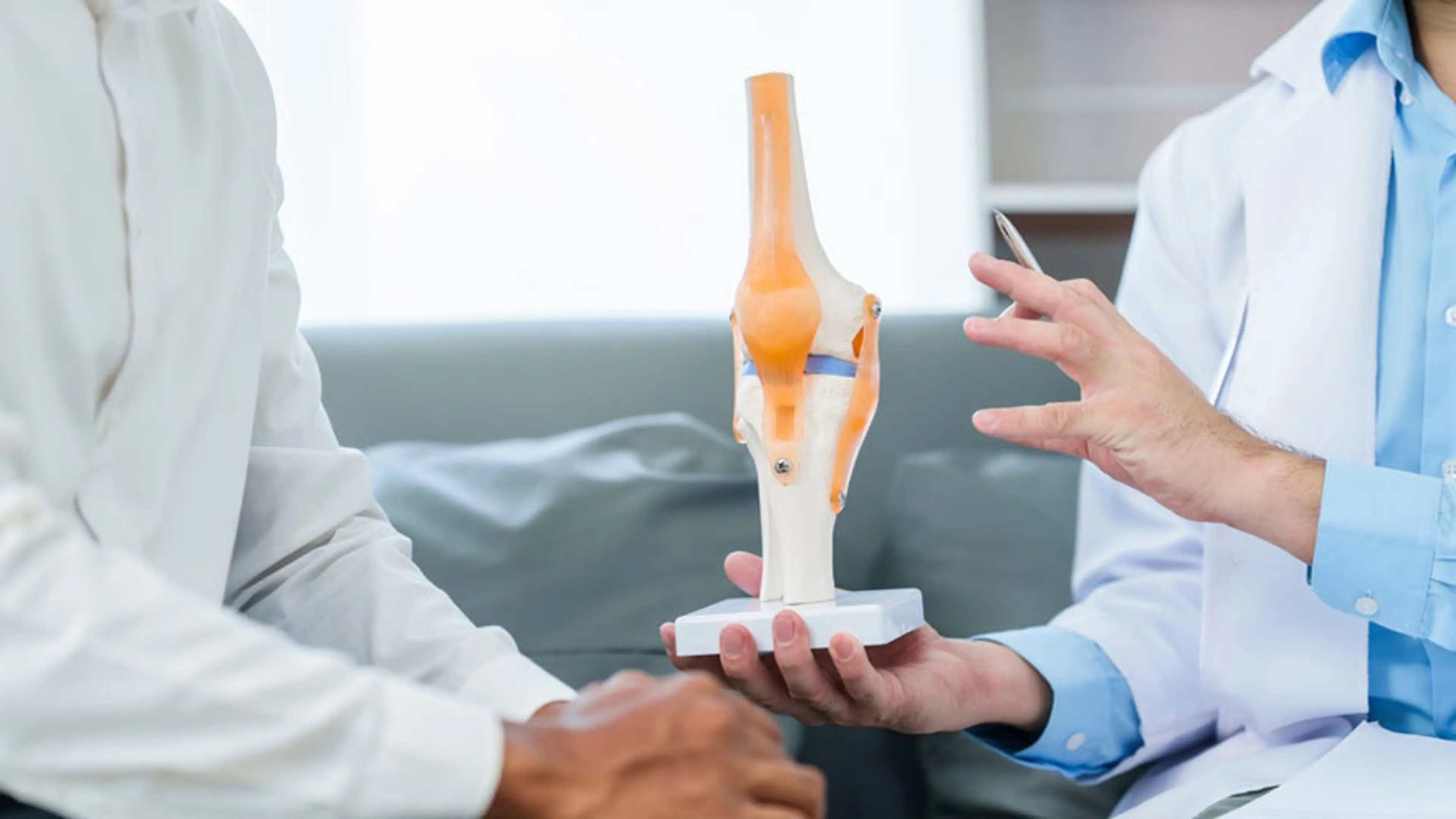
Morning knee stiffness is one of the most frequently reported early symptoms of joint degeneration.
Patients often notice:
Difficulty fully straightening the knee after waking
Tightness or discomfort when going downstairs in the morning
A sense that the knee “loosens up” after walking for a few minutes
In the Korean population, several lifestyle factors contribute. Years of floor sitting, frequent stair use, limited lower-body strengthening, and long periods of sitting all place repetitive stress on the knee joint.
Importantly, knee stiffness does not always originate in the knee itself. Subtle hip weakness or foot alignment issues can overload the knee over time.
Hip degeneration is often overlooked precisely because it rarely begins with pain.
Instead, patients describe:
Difficulty standing up from bed or low chairs
A shorter or uneven stride in the morning
A vague sense of tightness deep in the hip
Because the hip is the central link between the upper and lower body, even mild stiffness here can alter walking mechanics. Over time, this affects the knees, lower back, and posture as a whole.
Many patients are surprised to learn that their knee or back symptoms improve once hip mobility is restored.
Spinal joints, particularly facet joints, are highly sensitive to prolonged immobility.
Morning stiffness in the spine often presents as:
Difficulty turning the neck after waking
A “locked” sensation in the lower back
Stiffness that improves gradually with movement
This pattern is extremely common among office workers, students, and anyone with long daily commutes. Extended sitting leads to joint compression during the day and stiffness after rest.
When spinal stiffness becomes habitual, it often contributes to postural changes and muscle imbalance long before pain becomes constant.
Morning stiffness in the fingers is another early signal that deserves attention.
Typical features include:
Difficulty making a fist upon waking
Stiffness lasting longer than 30 minutes
Recurrent morning tightness without obvious swelling
While not all hand stiffness is degenerative, repeated morning symptoms should be evaluated to distinguish between mechanical wear and inflammatory conditions.
Many patients feel reassured when stiffness fades after activity. Unfortunately, this improvement can be misleading.
Movement helps because it:
Redistributes synovial fluid across joint surfaces
Warms muscles and increases elasticity
Temporarily reduces mechanical resistance
But improvement does not mean the underlying issue has resolved. It means the body is compensating effectively—for now.
Over time, compensation leads to:
Overuse of certain muscles
Altered gait or posture
Increased stress on neighboring joints
By the time stiffness no longer improves with movement, degeneration has usually progressed significantly.
A slight limp, unequal stride length, or reduced hip rotation can quietly overload one side of the body. Over years, this uneven stress accelerates cartilage wear.
Clinically, it’s common to hear:
“My knee problem actually started from my hip.”
“My back pain improved once my walking pattern changed.”
Without gait analysis, these connections are easy to miss.
Long hours of sitting—especially with poor posture—reduce joint nutrition.
Joints rely on movement, not direct blood supply, to receive nutrients. When movement is limited, cartilage repair slows.
This explains why people who rest frequently can still wake up stiff. The issue is not lack of rest—it’s lack of healthy movement.
Not all inflammation is obvious.
Low-grade, chronic inflammation can:
Thicken joint fluid
Increase morning stiffness
Reduce cartilage resilience
This type of inflammation often doesn’t show dramatic swelling or redness, making it easy to overlook in early stages.
Morning stiffness should be evaluated when it:
Occurs most days
Lasts longer than 20–30 minutes
Affects the same joint repeatedly
Gradually worsens over months
Is accompanied by changes in posture or walking
These patterns suggest structural or functional joint changes rather than temporary fatigue.
One of the most frustrating experiences patients describe is being told their imaging is normal despite persistent symptoms.
Standard X-rays are excellent at detecting advanced degeneration, such as:
Significant cartilage loss
Bone spurs
Clear joint space narrowing
However, early degeneration often involves:
Cartilage softening
Micro-damage
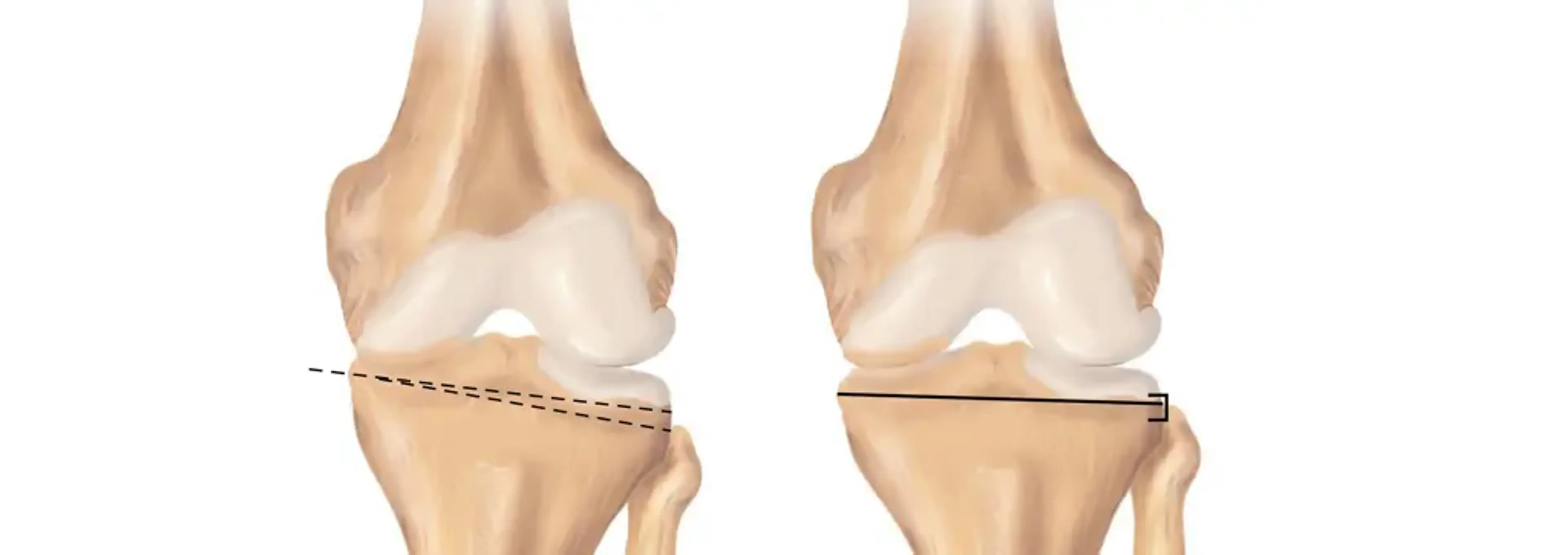
Subtle alignment changes
These changes frequently produce symptoms before they appear clearly on imaging. This is why clinical evaluation, movement analysis, and symptom history remain critical.
Early joint degeneration does not automatically mean surgery.
In fact, this stage responds best to precision-based conservative care, including:
Gait correction to redistribute joint load
Targeted rehabilitation to restore normal mechanics
Postural correction to reduce chronic stress
Regenerative treatments such as PRP when clinically appropriate
Lifestyle adjustments that support long-term joint health
Patients rarely regret addressing stiffness early.
They regret waiting until:
Stiffness became pain
Pain led to reduced activity
Reduced activity caused muscle loss and further imbalance
Joint degeneration is not sudden. It unfolds gradually, often quietly.
Morning stiffness is frequently the opening chapter.
Pay attention to:
How long stiffness lasts
Which joints are involved
Whether movement fully restores normal motion
Subtle changes in walking or posture
Gentle morning movement is helpful, but persistent stiffness deserves proper evaluation rather than self-management alone.
What many people misunderstand about joint degeneration is simple but important:
If morning stiffness has quietly become part of your daily routine, your body is asking for clarity—not fear, and not immediate surgery.
With proper assessment, many early joint issues are manageable and often reversible.
Your mornings should not feel older than you are.